We will welcome you in the lobby of your hotel in Marsa Alam Port Ghalib early in the morning and drive you in an air-conditioned vehicle through the desert and past fields and farmers' houses to Luxor. There you will visit the Luxor Museum. There you will see finds of ancient Egyptian art from the royal metropolis of Thebes and the surrounding area of Luxor. The highlight of the exhibition is certainly the “Holy Cow” and other small parts from the tomb of Tutankhamun.
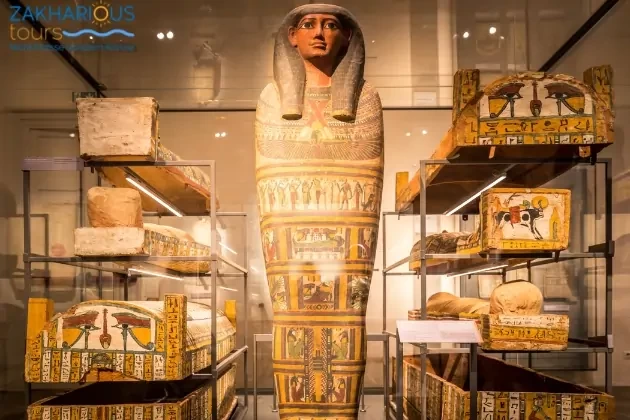
Afterwards, learn more about the mummification process in ancient Egypt at the Mummification Museum. Archaeological models and mummification tools explain the mummification process and its religious significance. Not only people were mummified there, but also the animals they worshiped, such as cats, dogs and crocodiles.
At lunchtime you will get to know Egyptian cuisine. Enjoy a lunch of Egyptian cuisine on a motorboat on the Nile.
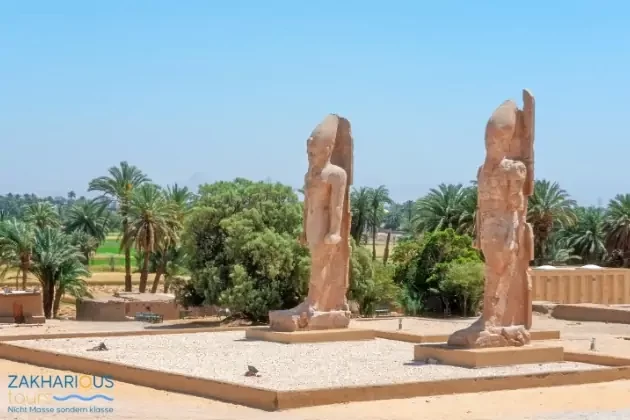
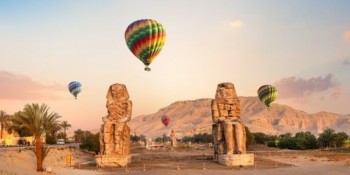
The Colossi of Memnon represent Amenhotep III. and once stood in front of the pylons of the entrance to the temple of Amenhotep III. The statues were named after a semi-divine king of the Ethiopians in the Greco-Roman period.
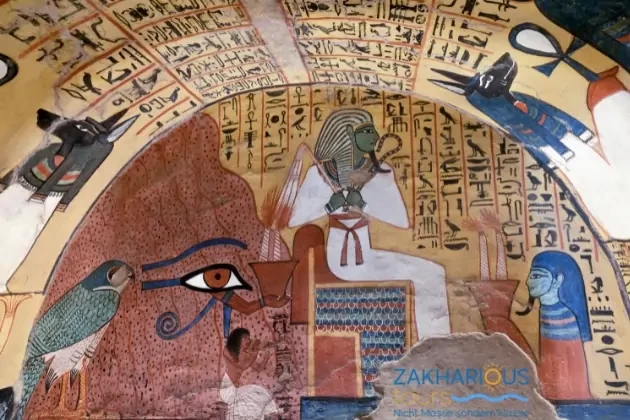
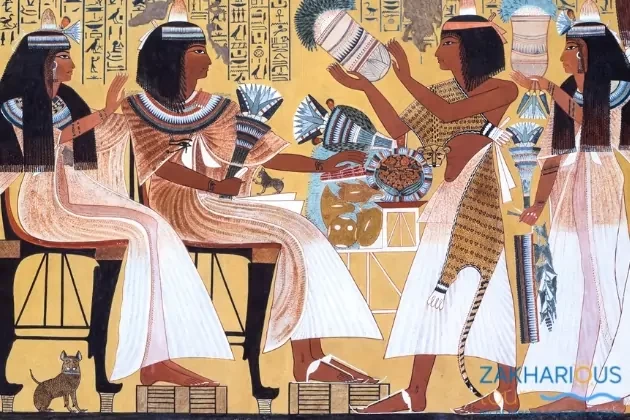
In Deir El Medina you will discover the ruins of a workers' settlement in ancient Thebes. The workers and artists who once created the tombs in the Valley of the Kings lived here with their families. Directly next to the settlement are the workers' cemeteries, whose walls are decorated with magnificent paintings that are comparable to the quality of the royal tombs. You visit the two most beautiful graves from the inside.
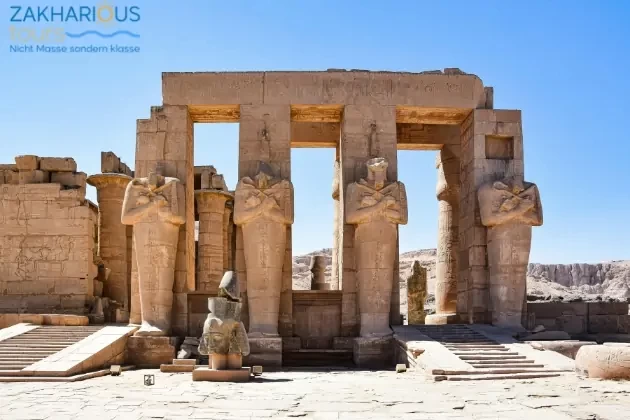
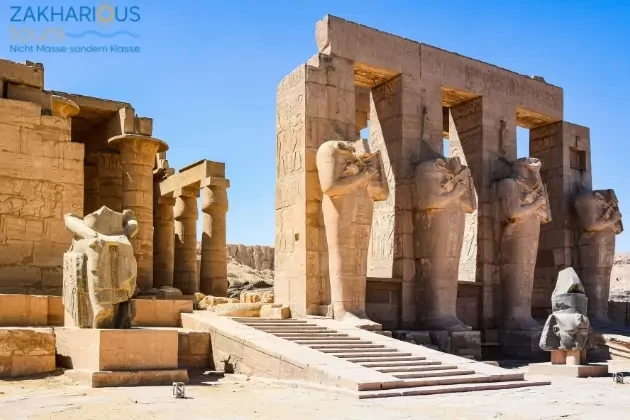
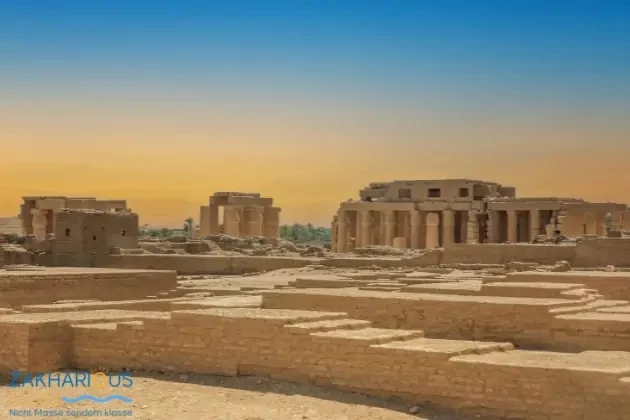
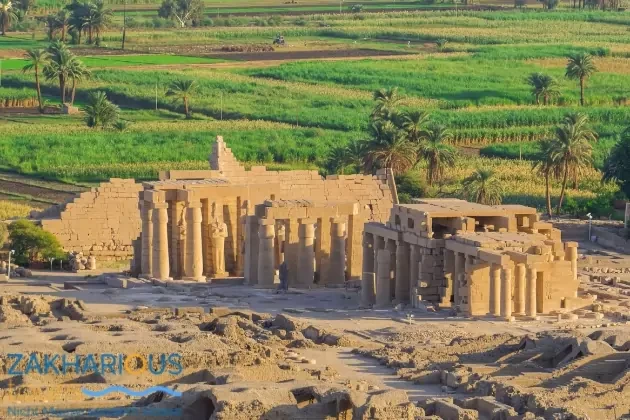
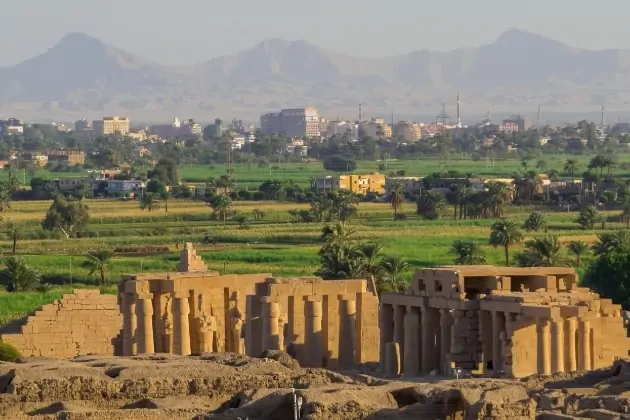
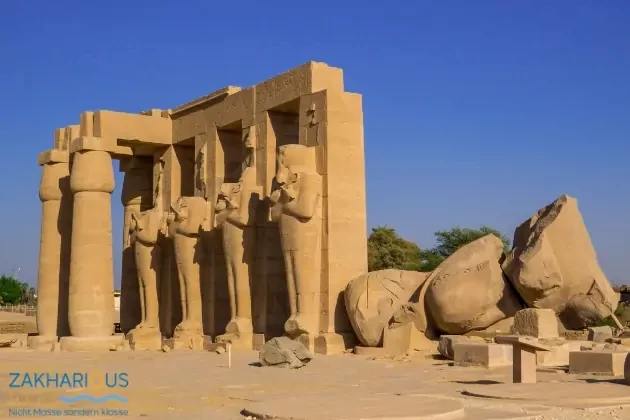
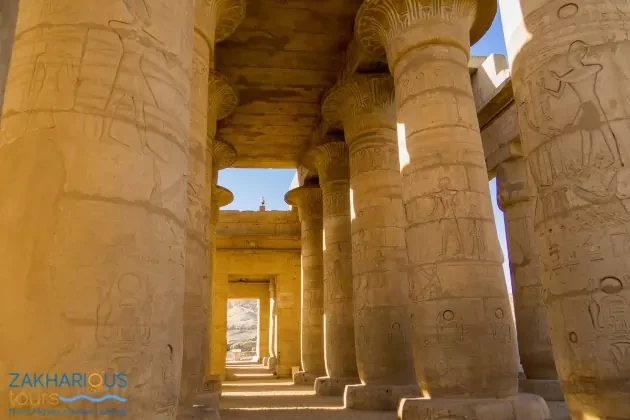
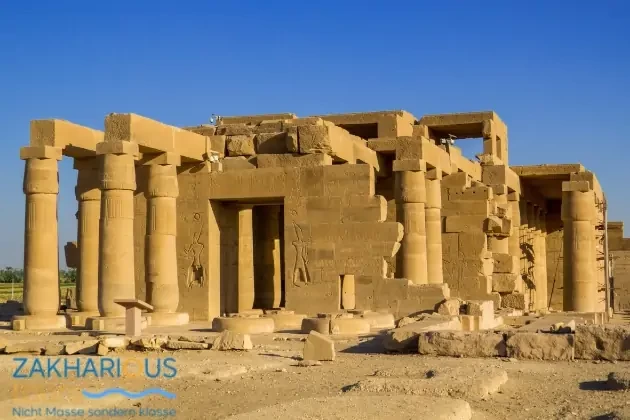
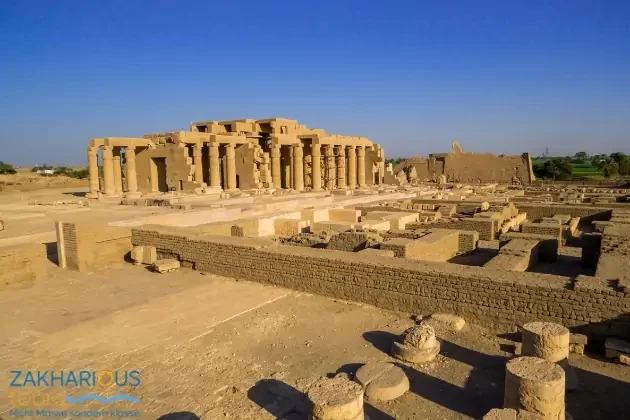
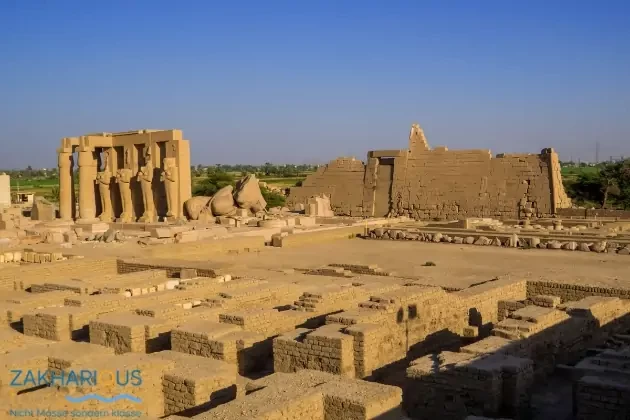
You continue to the Ramesseum, a temple in West Thebes built by Ramses II. The temple is one of the million-year houses. It was surrounded by a high wall and looked like a fortress. A canal connected all the graves with each other. The complex also houses a birthplace called Mammisi, a sacred lake and a statue of a pharaoh, which is one of the heaviest known monoliths ever created and transported.
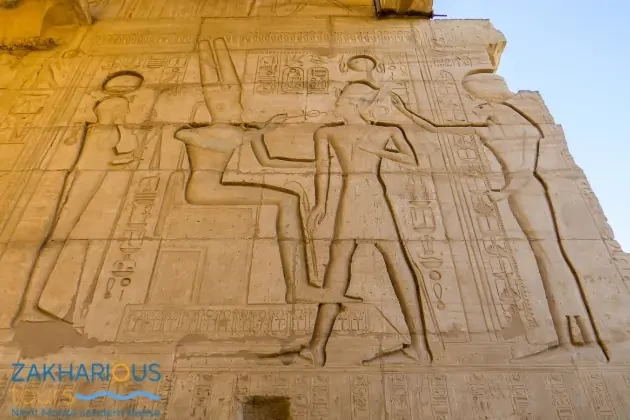
Finally, the mortuary temple of Seti I is on the program, which is also one of the million-year houses. The temple complex is a classic temple complex, consisting of the first and second pylons, a temple building, a building with storage rooms, a fountain and a temple palace. The builder was Seti I, and the temple was built for his own death cult and that of his father Ramses I. The construction was completed after Seti I's death by his son Ramses II.
After all these interesting and fantastic impressions, you will drive back to your hotel in Marsa Alam Port Ghalib .
Write Your Own Review